Table Of Content
- Discussing how the parents’ genes can influence the baby’s hair
- The Hair-raising Tale of Maternal Diet on Fetal Hair Growth
- Can I see my baby’s hair on a 3D ultrasound?
- What Weeks Do You Get Ultrasounds During Pregnancy?
- When does your baby start to grow any sort of visible hair?
- Can You See Baby Hair on Ultrasound? Is It Possible?

When a patient may have cancer or some other abnormal cell growth, ultrasounds are indispensable when externally examining whatever problem has arisen. If you’re expecting a little one, you might have seen hair on an ultrasound. But is that really what you are seeing, or are your eyes deceiving you? Going through the emotional journey from the first month of conception to when the baby is born brings many physical and mental changes.
Discussing how the parents’ genes can influence the baby’s hair
Ultrasound reveals 2-year-old teeth and hair growing inside scared mom's uterus: 'This sounds like [a] horror movie' - Yahoo
Ultrasound reveals 2-year-old teeth and hair growing inside scared mom's uterus: 'This sounds like horror movie'.
Posted: Wed, 02 Feb 2022 08:00:00 GMT [source]
Rather, the hormones that cause hair to grow are what triggers heartburn. However, looking for something as small as hair on a 4D ultrasound while the baby is moving poses a challenge. 3D ultrasounds operate differently than 2D ultrasounds by emitting multiple waves from different angles to produce a 3-dimensional image. Little Bellies Spa was founded in 2015 with two locations in Florida, we have expanded to offer our services nationwide.
The Hair-raising Tale of Maternal Diet on Fetal Hair Growth
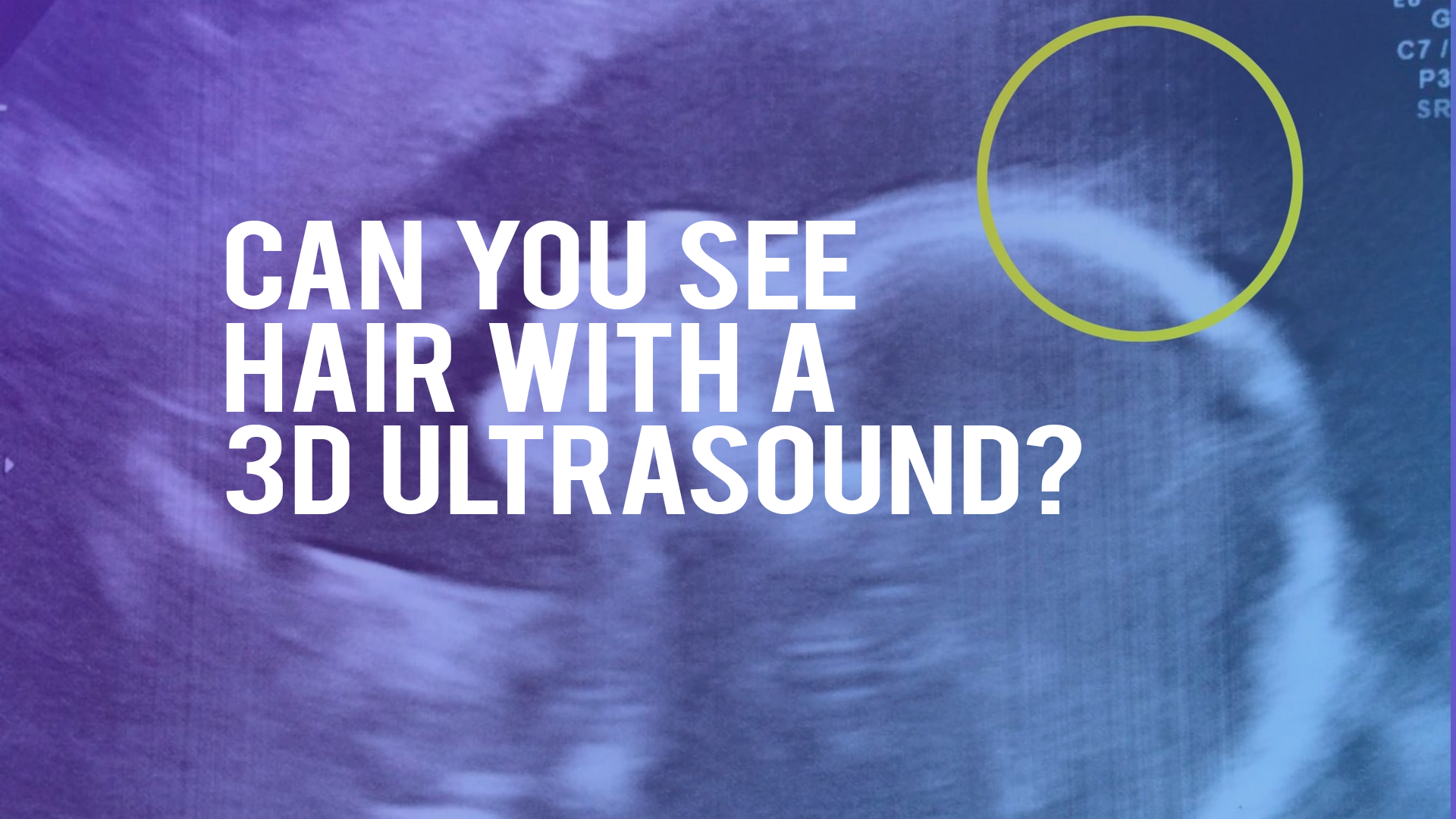
Additionally, the sound waves emitted by the ultrasound have to travel through amniotic fluid, fat, and skin on their way to mirror your baby. Conversely, pregnant women who didn’t have heartburn during pregnancy mostly gave birth to bald babies. While the exact reason behind this isn’t known, it’s another example of how genetics influence the amount of hair a baby is born with. Newborns with lighter skin often have less hair at birth than newborns with darker complexions.
Can I see my baby’s hair on a 3D ultrasound?
Ultrasound imaging is a non-invasive diagnostic imaging method that can be used to assess the presence of hair in various areas. It is an important tool in diagnosing hair loss, identifying certain types of scalp disorders, and determining the cause of alopecia or baldness. The quality of the image produced by an ultrasound machine depends on the specific device used, as well as other factors such as patient positioning, tissue type, and transducer frequency. Today's Parent reported that babies usually lose their lanugo between weeks 32 and 36, and that premature babies might be born with their protective fur. In premature babies, lanugo eventually falls out and is replaced by vellus, the "peach fuzz" that grows on hairless areas of the body (feel your earlobe and see for yourself). If you do see hair in a late ultrasound, it will probably look like white strands on the scalp, or a fuzzy white halo.

What Weeks Do You Get Ultrasounds During Pregnancy?
On the other hand, not seeing hair on an ultrasound doesn’t necessarily mean your baby won’t be born with any. In this article, we will dive into how your baby’s hair on an ultrasound will compare to their hair after birth. By the time a full-term baby is born, lanugo is typically no longer present on the body. You can start to see small facial hairs in the womb on an ultrasound at about halfway through pregnancy (20 weeks). The reason in utero hair (lanugo) develops is to keep the baby warm, and around 30 to 32 weeks of gestation, just eight weeks away from your due date, your baby can lose that hair. This is because they’re gaining body fat, so they no longer need that wispy, downy soft lanugo.
Fetal hair is thicker and more coarse than lanugo, while lanugo is finer and softer. Additionally, fetal hair has a waxy coating on it due to its protective properties, while lanugo does not. A baby born with lots of hair on its body has recently gone viral after pictures of the infant’s ultrasound scan were shared online.
Baby Hair On Ultrasound: What You Can Expect To See (& When)
Ultrasounds may provide important information about the growing baby, but they are seldom used to see hair development. Rather, the main purpose of ultrasounds is to track the baby’s development, growth, and health. But don’t worry—as your pregnancy goes on, your body’s hormonal changes can cause your hair to alter, perhaps becoming thicker and more volumized. So, accept the inevitable changes that occur with this unique period, even if you may not be able to see baby hair on an ultrasound. Examining the genetic components of hair characteristics is an intriguing subject.
It is normally not feasible to see baby hair during an ultrasound exam. Sound waves are used by ultrasound technology to provide pictures of the growing baby within the womb. The layers of the scalp where baby hair forms are impervious to these sound waves, which makes it difficult to see during the scan. While the size, shape, and movements of the baby may all be found out with an ultrasound scan, one of the things that cannot be found out with this kind of imaging is the presence of baby hair. Once any potential hair growth has been identified, doctors or technicians will then attempt to determine what type of hair it might be based on its texture and color.
Baby Hair 10-12 Months
Some parents mistake lack of hair in ultrasound images and the first few months of a child’s birth as baldness. Whatever the number of follicles produced during this period is what the baby will live with throughout their lives. Predicting your baby’s look can be difficult and sometimes inaccurate because no one baby is born the same. Practicing proper hair care from the start will ensure your baby’s hair remains healthy and strong as they grow. When you spot hair on your scan it could be the temporary hairs that your baby has whilst in the womb. Known as Lanugo, these soft hairs cover a baby to help protect their skin in the amniotic fluid, many babies still have it when they are born.
The amount and color of hair visible on an ultrasound will depend on several factors, such as gestational age and the position of the fetus. Generally speaking, it is more likely for darker hairs to show up compared to lighter shades. Additionally, the sound waves emitted by ultrasounds have to travel through amniotic fluid, fat, and skin on their way to your babe.
If you have viewed your baby’s hair on your ultrasound scan, you may be curious about how much hair they will have when they are born. In conclusion, it is not possible to accurately tell a baby’s gender based on their hair in an ultrasound image. The best way to determine gender before birth is through amniocentesis or CVS testing. The only accurate way to determine a baby’s gender before birth is through amniocentesis or chorionic villus sampling (CVS). These tests involve taking a sample of cells from the fetus and analyzing them for genetic information.
Lanugo is a fine, downy hair that appears on the fetus late in the second trimester and continues to grow throughout development until birth. It helps regulate body temperature and acts as an insulator against amniotic fluid. Recent studies have shown that pregnant women who reported having significant heartburn have a greater chance of delivering a baby with a head full of hair. Conversely, pregnant women who didn’t experience heartburn mostly gave birth to bald babies. Interestingly, it’s an old wife’s tale, but it might just be what you need to determine if your baby will be born with hair. These hairs are more likely to be seen on a 2d ultrasound towards the end of your pregnancy than at the start or in the middle of the pregnancy.
Finally, if there is more than one dark spot or patch visible during an ultrasound, it could be a sign that your baby has more than just a few strands of hair growing in already. While it is not always easy to tell for sure if there is hair present during an ultrasound, these are some common signs that can indicate its presence. Ultrasounds are a great way to get a better look at the development of your unborn baby. During an ultrasound, it is possible to see if the baby has any hair. While it is not always easy to tell if a baby has hair during an ultrasound, there are some common signs that may indicate it.




No comments:
Post a Comment